A fusion wedding works when someone maps out both families’ rituals side by side, instead of squeezing one tradition into the gaps left by the other. That’s basically the whole job description for a wedding planner in Mumbai taking on an intercultural celebration. At Doli Saja Ke Rakhna, nearly one in three couples we’ve worked with over the past two seasons have come from different backgrounds – different regions, religions, and sometimes even different countries. And that number seems to be growing every year.
So What Actually Makes a Wedding “Fusion” Instead of Just Multicultural Decor?
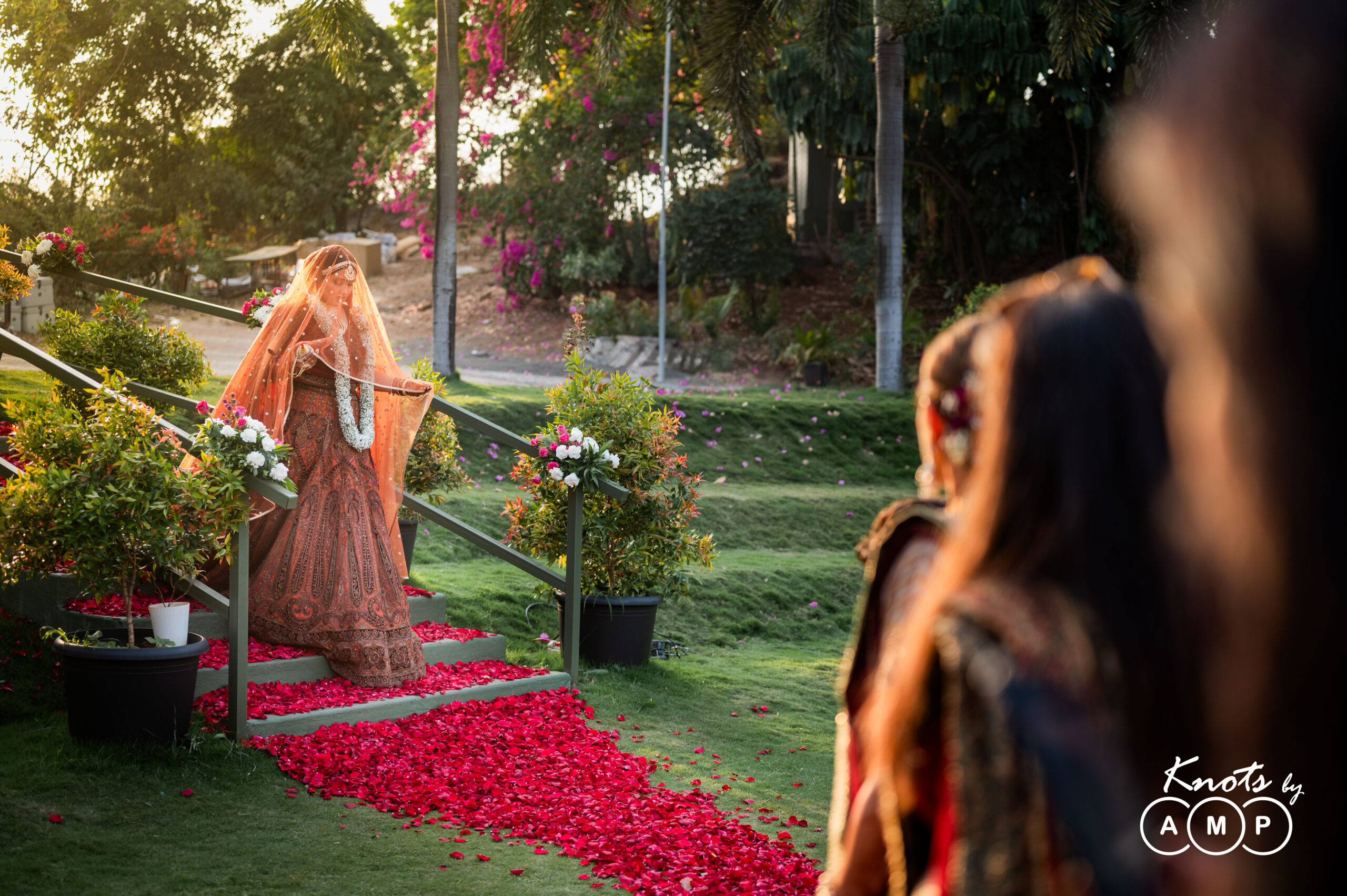
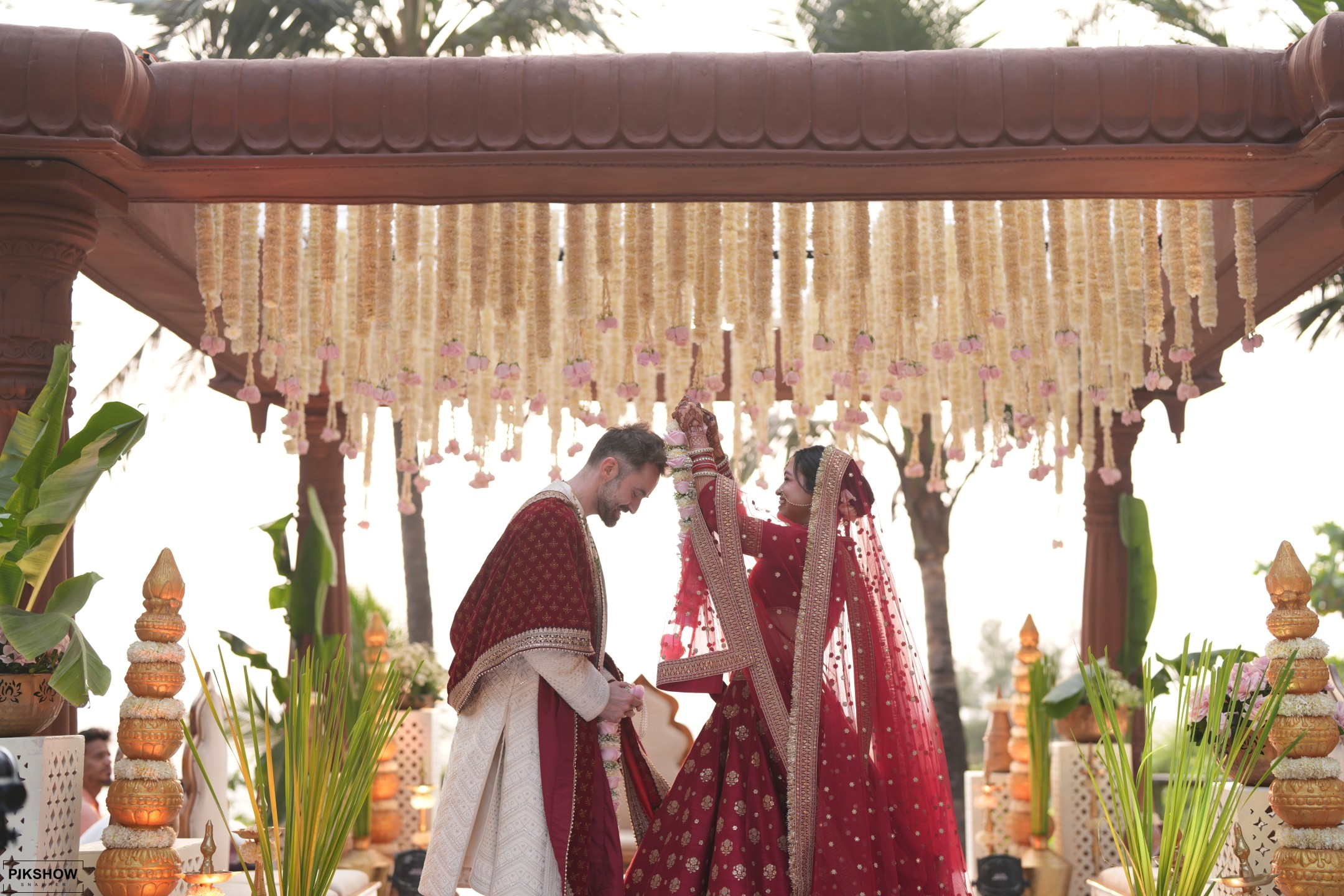
A lot of people think fusion just means adding a live band or an English playlist to the Sangeet. It’s more than that, though. A real fusion wedding gives both heritages equal footing – in the rituals, the food stalls, the seating logic, even the order events happen in. If one side’s traditions feel like the “bonus round” while the other runs the actual wedding, that’s not fusion. That’s just a wedding with a side dish.
Why Are So Many Mumbai Couples Refusing to Pick Just One Culture?
Mumbai’s always been a city of overlapping communities, so intercultural relationships aren’t rare here anymore – they’re pretty much expected in some circles. Couples want a day that looks like their actual relationship, not a compromise.
- Both families get rituals that feel genuinely theirs, not symbolic add-ons
- Guests get to experience customs they’ve never seen up close before
- Nobody has to answer the awkward “whose wedding is this really” question
- Every fusion wedding turns out different, so it never looks like a template
It’s also why wedding planners in Mumbai who take on this kind of work tend to end up juggling two family calendars at once, just to keep everyone happy from the first meeting onward.
How Do Two Traditions Share One Wedding Day Without Colliding?
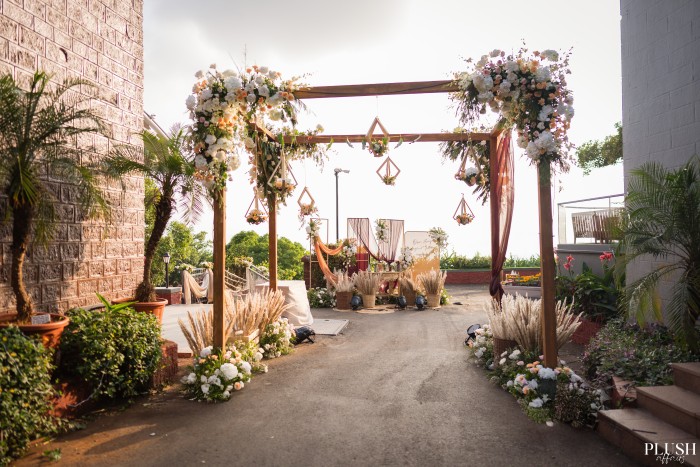
This is the part people underestimate. It’s usually where wedding planners in Mumbai earn their fee – building two separate rundowns first, one per family, before merging them into a single timeline that respects muhurat timing on one side and church or registrar slots on the other. Vendors often double up too: two catering counters, sometimes two officiants, and décor that has to hold together whether it’s marigolds and a mandap or a white aisle with a floral arch, sometimes both on the same lawn within a few hours of each other.
What Should You Actually Ask Before You Book Someone for This?
Not everyone who calls themselves a wedding planner in Mumbai has actually run a real fusion event before, so it’s worth pushing a bit in that first conversation.
- Ask for fusion weddings specifically, not just long multi-day Indian weddings
- Find out if they’ve handled vendors across two religions or regions before, not one
- Ask what happens if two rituals land on the same slot the same day
- Check that both families get looped in early, not just the couple
How Does Doli Saja Ke Rakhna Handle This Kind of Brief?
We treat both families as equal clients from the first call – nobody’s checklist quietly wins over the other’s. Over time we’ve built vendor relationships across several communities specifically so a fusion brief doesn’t turn into a scramble two months before the date. Sindhi-Bengali, interfaith, cross-continental – whatever the mix is, the goal stays the same: both sides should walk away feeling like the day was entirely theirs. That, more than anything, is what people are actually paying wedding planners in Mumbai for when the celebration spans two cultures.
Got a fusion wedding brewing and no idea where to start? Talk to Doli Saja Ke Rakhna and we’ll help you build a day that fits both families, not just one.
FAQs
1. How can a wedding planner in Mumbai blend two cultures?
By understanding both families’ traditions and creating a timeline where each culture gets equal importance.
2. When should I hire wedding planners in Mumbai for a fusion wedding?
Ideally, 8–12 months before the wedding. This gives enough time to coordinate multiple rituals, vendors, and family preferences.
3. Can we include rituals from both cultures?
Yes. A good planner can arrange both traditions in a way that feels natural rather than making one feel like an add-on.